Blog Details
Home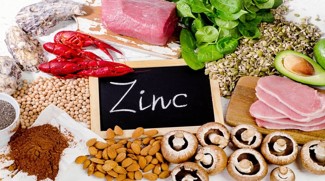
Zinc is The Another Missing Critical Nutrient in Indians
Zinc (Zn) is vital for normal growth and maintenance of general health. Chronic inadequate intake of Zn leads to Zn deficiency (ZD), particularly in children owing to additional requirements of Zn for growth.
Zinc Deficiency in children is believed to be one of the important causes of stunting and 4% of the worldwide morbidity and mortality among young children is attributed to ZD.
Preventive Zn supplementation has been reported to reduce all-cause morbidity and mortality in children.
The prevalence of stunting has declined in India over the past 3 decades, but it continues to be high (35%) among preschool children. In 2004, the International Zinc Nutrition Consultative Group (IZiNCG) categorized India as a high-risk country for Zinc Deficiency based on >25% dietary Zn inadequacy, in agreement with analyses of the FAO food balance sheets.
Secular trends (from 1983 to 2012) have indicated that, in contrast to global patterns, dietary inadequacy of Zn in India increased by 7.5% over this period. Converging with these findings, scattered studies in Indian children and women have reported a high prevalence (25%–50%) of low Serum Zinc Concentrations; however, no nationally representative SZC data were available until now.
The recently concluded Indian Comprehensive National Nutrition Survey (CNNS) evaluated children and adolescents across Indian states for their anthropometry and serum micronutrient concentrations, including serum Zn. This provided an opportunity to quantify the prevalence of low SZC in India.
Zinc deficiency is common in India, with the prevalence varying significantly by age group and region. A 2025 report found that 32% of Indian adolescents (10-19 years) are deficient, while a 2021 survey showed national prevalence for preschool and school-aged children was below 20%, though many states exceeded this threshold. Vulnerable groups, such as those from rural areas and lower socioeconomic strata, face a higher risk.
Prevalence by age group
- Adolescents (10–19 years): A 2025 report shows a 32% prevalence, a significant increase. A 2021 study found a national prevalence of 31% for low serum zinc concentrations in this group, with a higher prevalence in boys (35%) than girls (28.4%).
- Preschool (1-4 years): A 2021 survey found a national prevalence of 17% for low serum zinc, with some states exceeding 20%.
- School-aged (5-9 years): A 2021 survey reported a national prevalence of 16%.
- Children (1-4 years): A 2025 report found vitamin D deficiency at 14%, but a 2021 study showed low plasma Zn deficiency at 19% nationally.
Regional variations and risk factors
- State-level differences: Prevalence can vary dramatically by state. For example, a 2021 study found that in some major states, the overall prevalence in children aged 6-60 months was 43.8%, with the highest rates in Orissa (51.3%) and Uttar Pradesh (48.1%).
- Rural vs. urban: Low serum zinc is more common among children in rural areas.
- Socioeconomic status: Poverty, lower maternal education, and poorer sanitation facilities are associated with a higher risk of deficiency.
- Diet: Diets rich in roots, tubers, jaggery, and fats/oils can increase the risk, while those with animal products and milk are protective.
Implications
- Public health concern: While national figures for preschool and school-aged children may be below the 20% public health threshold, the high rates in certain states and among adolescents indicate a need for targeted interventions
- Health outcomes: Low serum zinc is associated with negative health outcomes such as stunting and higher rates of illness
- Intervention focus: Interventions should prioritize vulnerable subgroups through programs like the Public Distribution System, Mid-day Meal program, and Integrated Child Development Services.